
Contact
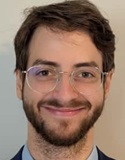
Stephan Buchner
stephan.buchner@tuwien.ac.at Research Group of Microbiology and Molecular Diagnostics,
Vienna University of Technology,
Gumpendorfer Straße 1a, A-1060 Vienna, Austria
People › Students
Stephan Buchner
Research Interests
• Systems biology and bioinformatics
• Microbiomics and water quality
• Genetic faecal pollution diagnostics and UV water treatment
Stephan’s research field is environmental microbiology and microbiomics, with a systems biology–level approach aimed at ensuring and improving health-related water quality. His work integrates computational analysis and molecular methods to study microbial compositional dynamics and processes in karst drinking water resources. He evaluates environmental/physicochemical factors influencing the long-term microbial composition of karstic spring water. In addition, he investigates the effects of UV water treatment on PCR-based Microbial Source Tracking marker (MST) and Faecal Indicator Bacteria enumeration and its potential use in UV-bio-dosimetry. Finally, he examines the role and capacity of next-generation sequencing techniques in MST-based analyses of drinking water resources.
In addition to his core research, he is interested in ageing research and computational approaches for analysing complex biological phenomena.
Key Facts
Stephan obtained a bachelor’s degree in Biomedicine and Biotechnology from the University of Veterinary Medicine Vienna (Vetmeduni Vienna), followed by a master’s degree in Evolutionary Genetics and Systems Biology at the University of Vienna. His master thesis focused on single-cell RNA sequencing (scRNA-seq) data, investigating developmental processes of C. elegans embryos through trajectory inference and machine learning-based cell type classification.
He also completed the coursework of a second master’s degree in Bioinformatics at the University of Vienna, with only the thesis remaining. Stephan joined the research group of Prof. Andreas Farnleitner also associated with the Interuniversity Cooperation for Water & Health (ICC Water & Health - TU Wien, MedUni Wien, Karl Landsteiner Uni Krems; ttps://www.waterandhealth.at) to pursue his PhD as a part of the Vienna Water Resource Systems 2020+ project (VIWA 2020+).